At Fox Valley Wood Products, we’ve analyzed these trends closely and are adjusting our approach to best serve our customers in the near term while maintaining stability in a volatile market.
Why Fuel Prices and Freight Costs Are Creating Immediate Pressure for Buyers
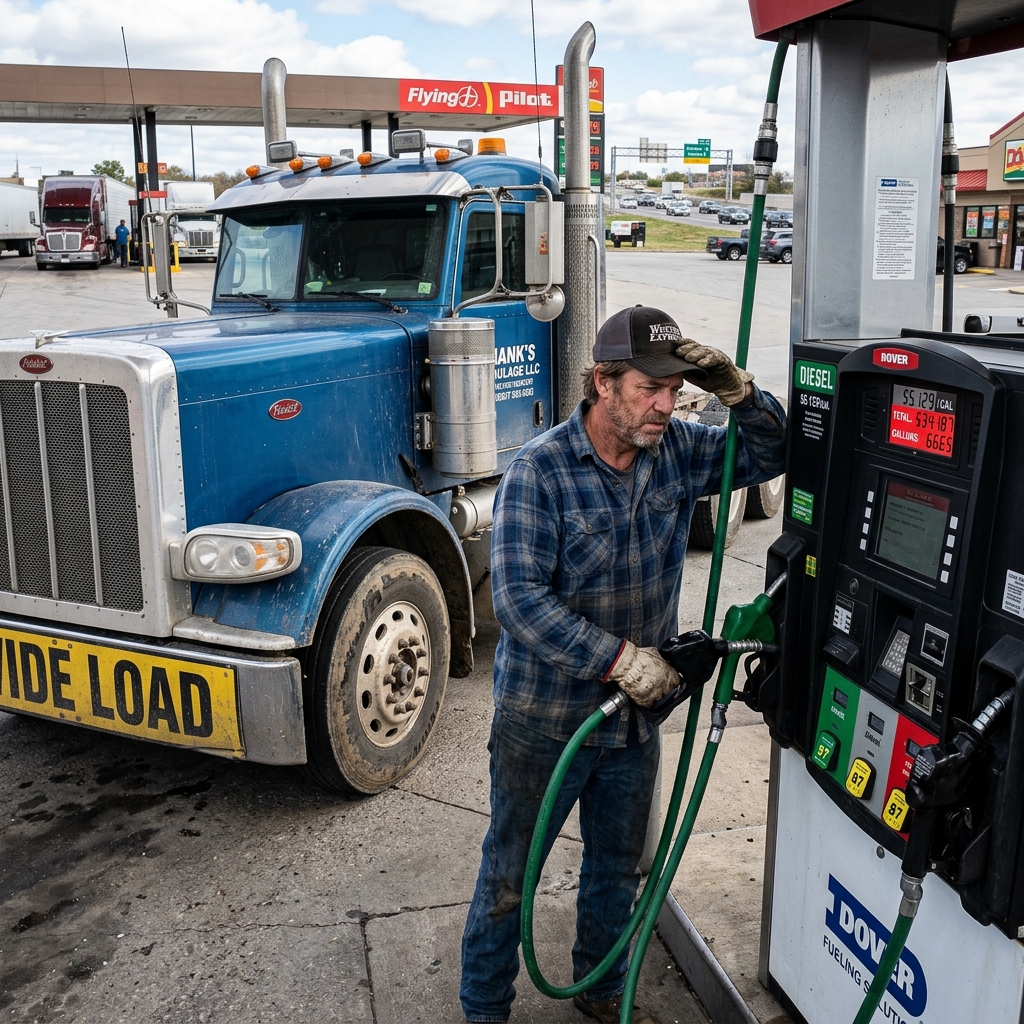
Diesel Price Impact on Freight Rates Is Driving Cost Volatility
For pallet buyers, this creates uncertainty in budgeting and forecasting, as even short-term changes in fuel markets can significantly affect freight cost per pallet.
Long-Haul Trucking Capacity Constraints Freight Are Tightening Supply Chains
In addition to fuel volatility, long-haul trucking capacity constraints freight are adding pressure across the supply chain. Limited truck availability, especially for routes exceeding 800 miles, has made it more difficult to secure consistent transportation for raw materials.
These constraints are a major contributor to rising pallet supply chain costs, particularly for products like plywood and southern yellow pine that rely on long-distance shipping.
Key Fuel Prices and Freight Costs Updates Impacting Pricing
Diesel Price Impact on Freight Rates Is Raising Baseline Costs
An estimated $1.73 per gallon increase has further intensified fuel prices and freight costs, affecting both inbound raw material shipments and outbound pallet deliveries.
Freight Cost Per Pallet Is Increasing from Local Freight Changes
When broken down, this equates to a direct freight cost per pallet increase of about $0.28 per shipment. While seemingly small at the unit level, this contributes meaningfully to overall pallet supply chain costs at scale.
Long-Haul Trucking Capacity Constraints Freight Are Driving $1,000 Load Increases
These increases are a key driver of broader logistics cost increases wood products manufacturers are experiencing, especially for materials transported across long distances.
Pallet Pricing Stability Freight Absorption Strategy from Fox Valley Wood Products
We are absorbing the majority of short-term freight increases, allowing us to minimize the immediate impact of rising freight cost per pallet and stabilize overall pallet supply chain costs for our customers.
This approach is designed to protect customers from short-term spikes in fuel prices and freight costs, while reinforcing our commitment to long-term partnership and reliability.
Industry Pressures Behind Logistics Cost Increases Wood Products
At the same time, pallet buyers have faced tight margins over the past several years. Resistance to price increases has made it difficult for suppliers to fully pass through rising pallet supply chain costs, even as underlying expenses continue to climb.
These combined pressures are contributing to sustained logistics cost increases wood products companies must manage carefully.
What Fuel Prices and Freight Costs Mean for Customers
- More predictable pallet pricing: By limiting the impact of rising freight cost per pallet, customers can better manage budgets despite volatility in fuel prices and freight costs.
- Reduced risk of sudden cost spikes: Our pallet pricing stability freight absorption strategy helps shield customers from abrupt increases tied to logistics cost increases wood products markets.
- Continued supply reliability: Even amid long-haul trucking capacity constraints freight, we remain focused on maintaining consistent supply and service levels.
- Improved cost visibility and transparency: Open communication ensures customers understand how pallet supply chain costs are evolving and what to expect moving forward.
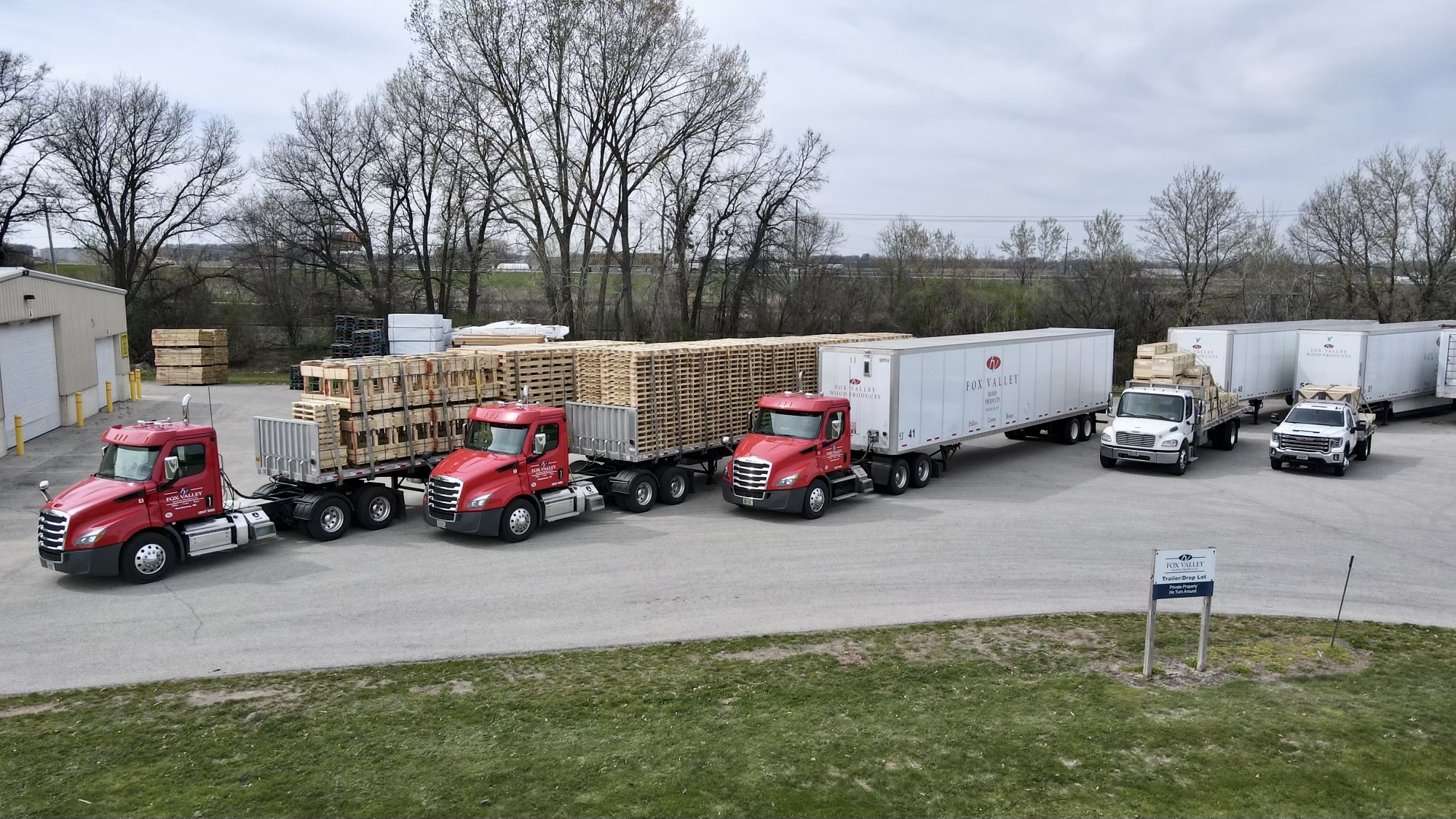
Outlook on Diesel Price Impact on Freight Rates and Future Costs
Additionally, any easing of long-haul trucking capacity constraints freight could help reduce pressure on inbound transportation costs and moderate broader logistics cost increases wood products companies are facing.
Fox Valley Wood Products will continue to monitor these trends closely and adjust our pallet pricing stability freight absorption strategy as long-term market signals become clearer. Our goal remains to balance cost management with customer value, ensuring reliable supply, stable pricing, and strong partnership through changing market conditions.
If you have questions about how evolving pallet supply chain costs may impact your operations, our team is available to help you plan with confidence.