
In today’s ever-changing regulatory environment, heat treated pallets are a critical component of compliance for buyers. Understanding the rules, regulations, and expectations—especially around treated pallets and mold control—can help ensure your supply chain remains compliant and efficient.
What Are Heat Treated Pallets?
Heat treated pallets, governed by ISPM 15 pallets (International Standards for Phytosanitary Measures No. 15), are designed to prevent the spread of pests and diseases through wood pallets for shipping in international trade.

The Heat Treatment Process Explained
To meet ISPM 15 standards, heat treated wood pallets must be heated to a core temperature of 56°C (133°F) for 30 minutes. This process eliminates pests, insects, and pathogens embedded in the wood.
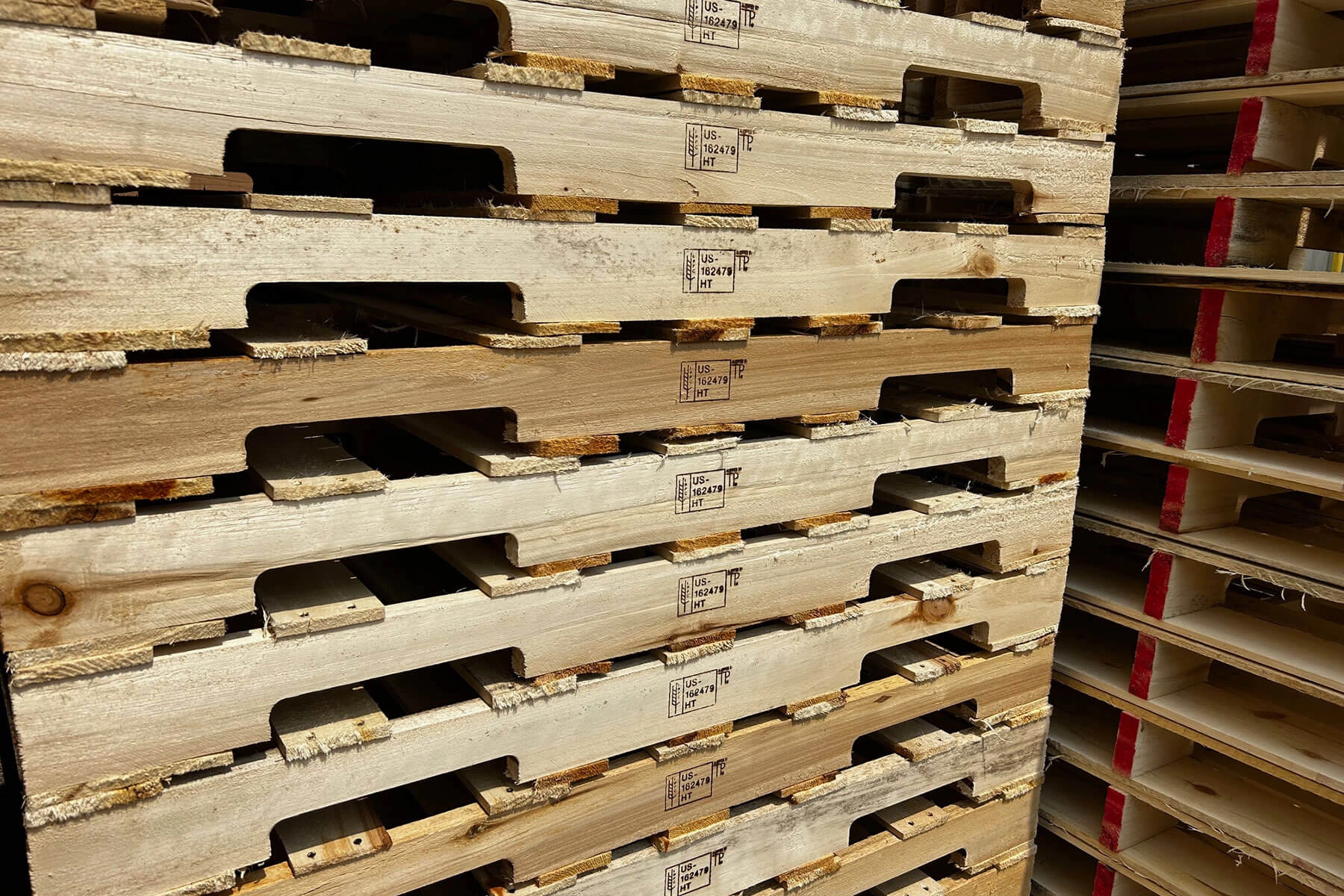
How to Identify Certified Heat-Treated Pallets
Certified ht pallets are marked with the ISPM 15 stamp, which must be clearly visible on opposing sides of the pallet. For example, Fox Valley Wood Products uses a proprietary HT certification stamp to indicate compliance.
What Materials Require Heat Treatment?
Only solid wood materials are subject to heat treatment. Plywood and engineered woods are exempt because their manufacturing process involves high heat, which naturally eliminates pests and pathogens.
Heat Treatment vs. Fumigation: Know the Difference
Methyl bromide fumigation is an approved treatment method. However, it is less common because of environmental and cost issues. Many buyers mistakenly use the terms interchangeably, but it’s important to understand the distinction between heat treated pallets and fumigated ones.
Monthly Certification Audits and Costs
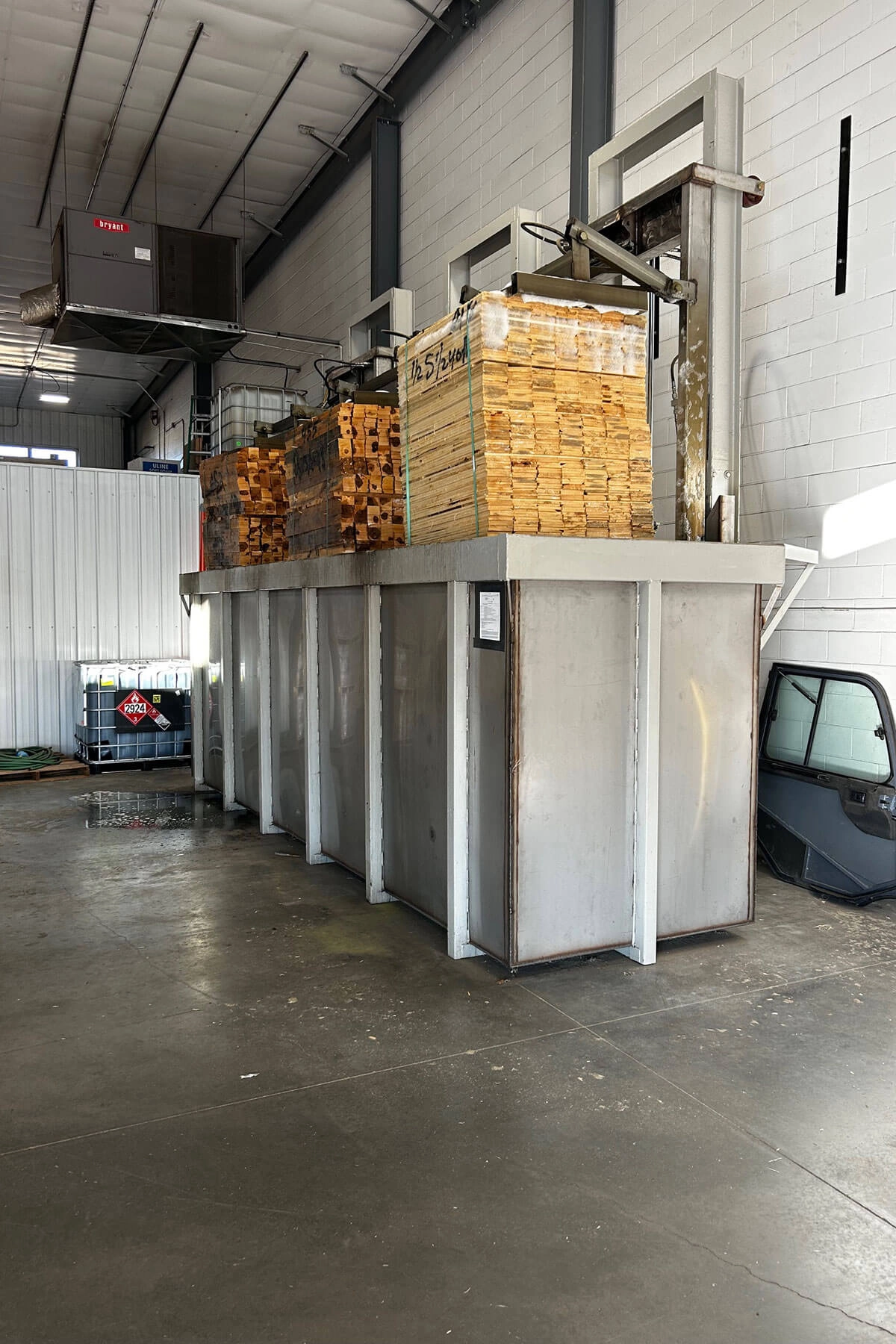
Manufacturers must undergo monthly audits to verify compliance, including documentation of treatment processes and material tracking. These audits typically cost around $350 per month.
How Long Does Certification Last?
Once a pallet is heat treated and the stamp remains intact, it is considered compliant for the duration of its usable life, provided it hasn’t been modified.
Why You Should Buy from Certified Manufacturers
Always purchase treated pallets from reputable manufacturers who can provide documentation. Unauthorized or fraudulent use of the IPPC mark is a serious violation and can lead to compliance issues.
Mold-Free Pallets: Best Practices for Prevention
A common misconception is that heat treatment prevents mold. While it kills existing mold at the time of treatment, it does not prevent future mold growth if moisture remains in wood pallets for shipping.
Why Moisture Matters: The Laundry Analogy
Think of it like drying laundry: if you remove clothes from the dryer too soon, they’re hot but still wet. Similarly, heat treated wood pallets may still retain moisture, creating a breeding ground for mold.
Kiln Drying: The Gold Standard for Mold Prevention
Kiln drying reduces moisture content to 19% or less, significantly lowering the risk of mold. Manufacturers can either:
- Use kiln-dried lumber to build ht pallets.
- Dry assembled pallets in a pallet kiln for 24 hours or more.
Mold Inhibiting Solutions for Pallets
Mold inhibitors like PQ-8 and PQ-80 (FDA-approved) contain biocides and fungicides that prevent mold spores from taking hold. These are applied to the surface of treated pallets to create a protective barrier.
Air Flow Trailers: Passive Drying in Storage
Equipping storage trailers with air flow systems helps passively dry wood pallets for shipping before they are dispatched.
Site Storage Tips to Minimize Mold
If you’re not investing in kiln drying or mold inhibitors, focus on:
- Keeping inventory low
- Using fresh lumber
- Storing pallets in dry, ventilated sheds
Fox Valley Wood Products uses air-drying sheds that protect against rain and snow while promoting airflow to keep heat treated pallets dry and mold-free.